

 From time to time on Neurosurgery Blog, you will see us cross-posting or linking to items from other sources that we believe are relevant to our audience. We wanted to bring attention to the recent analysis of the worth of neurosurgeons in academic departments by Elad I. Levy, MD, FAANS, MBA, FACS, FAHA; Kunal Vakharia, MD; and Michael Cournyea, CEO of the University at Buffalo Neurosurgery, Inc. This article from the Winter 2021 issue of Congress Quarterly examines how the relative value unit (RVU) system is insufficient for effectively measuring an academic surgeon’s impact and value and proposes alternative strategies for developing appropriate compensation models for teaching faculty.
Academic neurosurgical departments are the lifeblood of the neurosurgical profession — their mission is to train the next generation of neurosurgeons. By educating stakeholders such as health care systems,  universities, philanthropic entities and the community of the importance of each of the subspecialties in neurosurgery, it becomes possible to create appropriate compensation models for teaching faculty.
To read the complete article, click here.
Editor’s Note: We encourage everyone to join the conversation online by using the hashtag #Neurosurgery.


 From time to time on Neurosurgery Blog, you will see us cross-posting or linking to items from other places when we believe they hit the mark on an issue. Today’s post originally appeared in
 In September of 2020, Neurosurgery published “Guidelines for the Management of Severe Traumatic Brain Injury: 2020 Update of the Decompressive Craniectomy Recommendations,” adding to the 2017 publication, “Guidelines for the Management of Severe Traumatic Brain Injury, Fourth Edition,” in the spirit of living guidelines.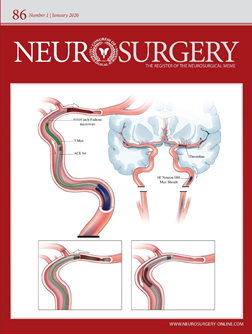

 Professor of Emergency Medicine at Stanford University, and co-author of the guideline, states that because concussion symptoms may vary greatly from person to person, early subtyping can direct strategies for recovery.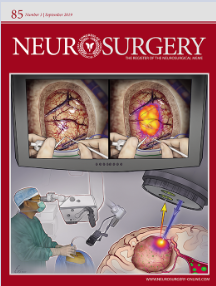
 From time to time on Neurosurgery Blog, you will see us cross-posting or linking to items from other places when we believe they hit the mark on an issue. We wanted to bring attention to a Congress of Neurological Surgeons (CNS) evidence-based guideline on pediatric myelomeningocele that recently appeared in
